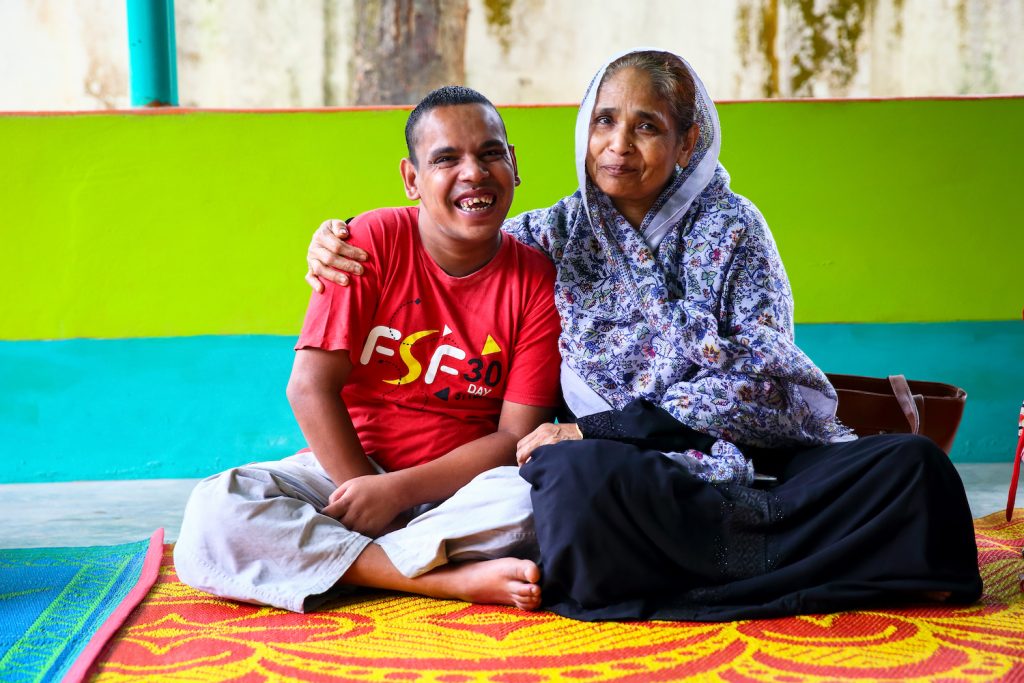
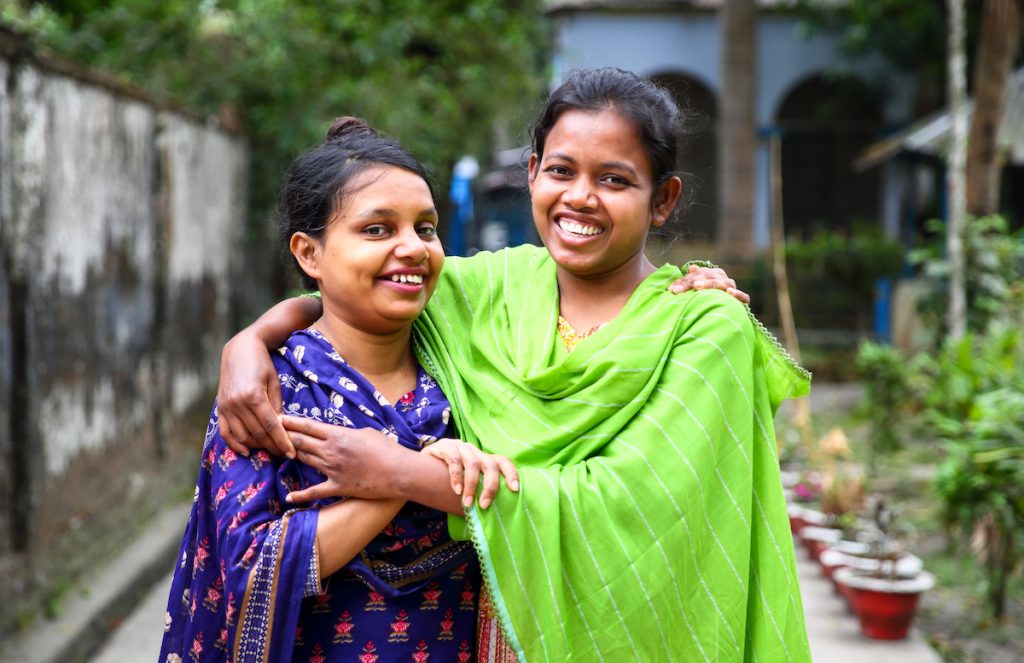
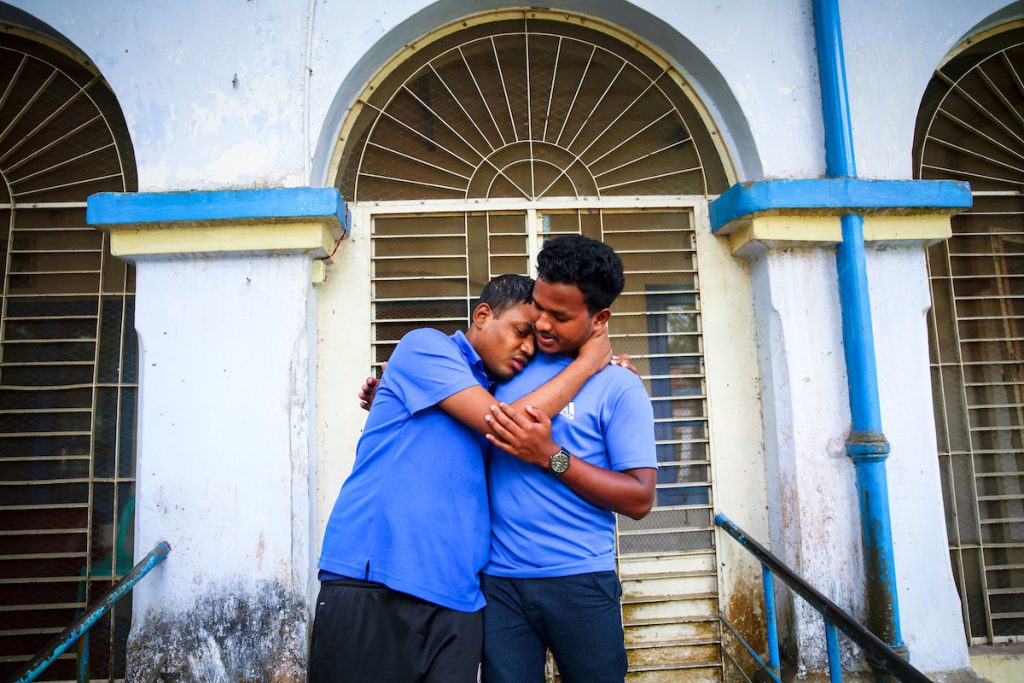
L’Arche Mymensingh is a community in Bangladesh where people with and without intellectual disability live, work, celebrate and pray together. Each person is valued for their own unique qualities.
There are 3 homes in Mymensingh
Asha Nir, Shopno Nir and Pushpo Nir
There are 21 residential core members. Most of the core members do not have families and have found a home in L’Arche. We have 3 homes, each with seven coremembers. Ideally there are 6assistants at each house. Simply by living together, we strive for an inclusive environment and reduce stigma for both intellectual disabilities and mental illness
House of flowers, is our only female house. We have 13 women living in the home, 6 of whom have intellectual disabilities.
We have 2 day programs
The workshop
The Workshop has 18 members (10 Residential and 8 External members) and 8 assistants. They make several items: candles, cards, beads, embroidery, and other handicrafts. Through the years, the Workshop has created an atmosphere of creativity and fun!
Rainbow
This is the program for the members who need therapeutic care. There are 11 members from the residential homes and 4 members from the local area. Members listen to music, exercise, and rest. They take walks outside and work in the garden. The Rainbow Program is also support for families, as it allows for a short respite, while their family members with disabilities receive support and engage in activities that would not be possible at home.
Outreach program
Residential core members and assistants make regular home visits to 12 outside members and their families. Home visits provide core members with an opportunity to give back to their community and build relationships with the greater Mymensingh community. Families and local people welcome the community members gladly because their visit to families offers hope and a place to share their struggles. The community also provides tangible support by sharing food, clothing, outings and celebrations with external families.
“We are simply a tiny sign, among thousand of others, that love is possible.”